
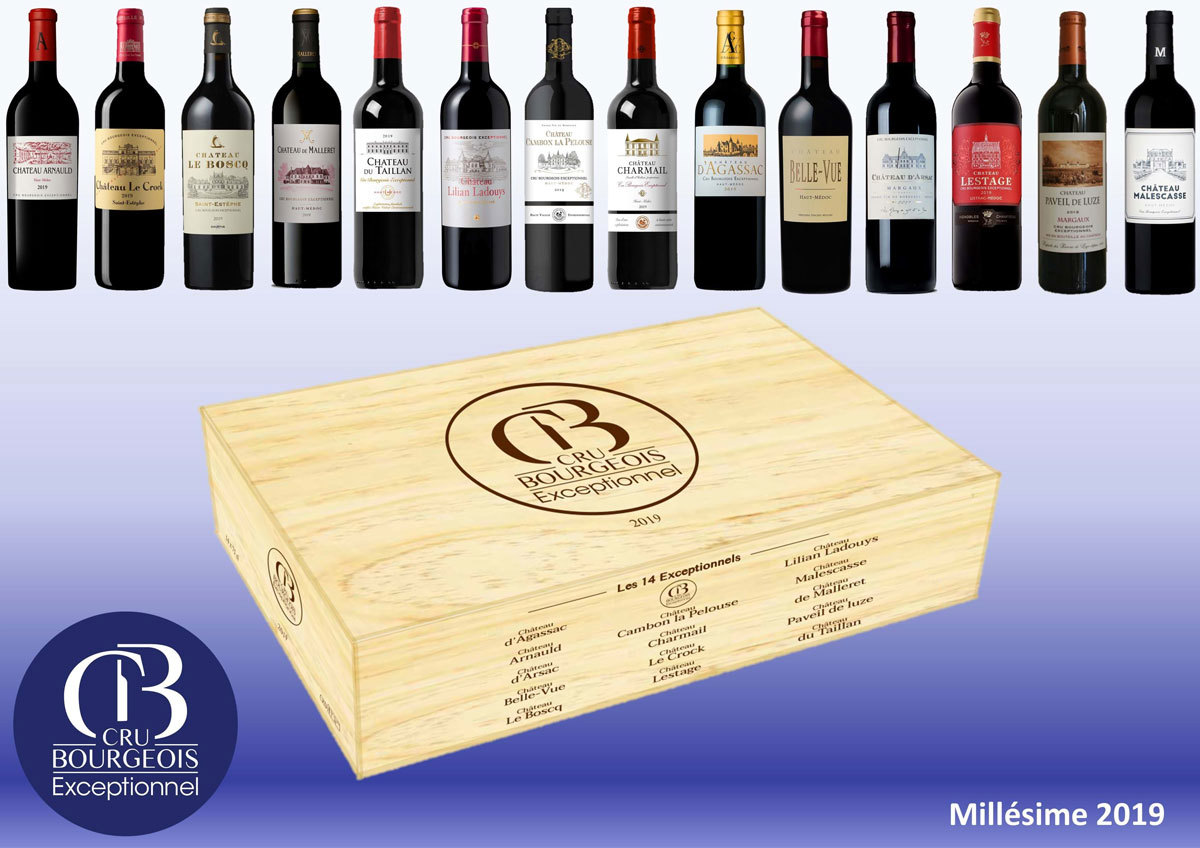
14 Cru Bourgeois Exceptional Wines Caisse Collection 2019 OWC x 14 Bottles Various Chateaux
£395.00
Description
Fourteen Cru Bourgeois Exceptionnel from the superb 2019 Médoc, gathered in a wooden case that brims with personality. These wines marry gravelly structure and bright acidity with generous black-fruit concentration, violet florals and a compelling graphite seam. Textures vary from plush Merlot silk to taut Cabernet chiselling; oak is generally supportive; cedar, gentle toast and spice framing rather than masking terroir. Expect aromas of blackcurrant, plum, bramble and warm spice, with saline minerality and refined tannins carrying extended finishes. Approachable now with decanting, many bottles will reward medium-long cellaring (8–20 years depending on château), evolving towards leather, truffle, tobacco and tertiary spice while retaining that classic Médoc balance of power and finesse.
Château Agassac (2019)
Deep ruby with a purple rim. Perfumed Margaux florals, blackcurrant and ripe plum on the nose with a seam of graphite. Cabernet provides tensile backbone and fine, chalky tannins; Merlot lends a plush mid-palate. Savoury bay and liquorice thread through a gently oaked finish of vanilla, cedar and light toast that frames rather than masks fruit. Fresh acidity keeps the wine poised; approachable after decanting but will reward 8–15 years’ cellaring as tertiary spice and leather develop.
Château Arnauld (2019)
Opaque ruby with violet glints. Blackberry compote, black cherry and pronounced liquorice on the nose; Petit Verdot adds violet perfume. Mouthfilling and dense, with excellent volume and a velvet grain to the tannins—powerful yet precise. Toasted oak brings coffee and smoked spice from élevage without overwhelming fruit. The finish is long, saline and neatly chiselled by acidity. Decant when young; excellent ageing potential of 12–20 years as tertiary notes knit together.
Château d’Arsac (2019)
Medium-deep garnet. Classically Margaux: red and black fruit, cedar chest, subtle tobacco and graphite. Bright acidity and polished, integrated tannins give a lively, not heavy, texture; flavours of blackcurrant, bramble and faint baking spice persist. Oak is restrained, emphasising purity of fruit. The finish has an herbal lift that keeps the palate fresh. Enjoy over the next decade for primary charm, or cellar 8–12 years for developing tertiary complexity and greater harmony.
Château Belle-Vue (2019)
Intense purple. Concentrated black fruits—blackberry, damson—combine with violet, clove and cedar on the nose. The palate is rounded and generous with velvety, well-defined tannins giving a racé profile rather than brute weight. Deep gravel soils impart mineral and saline undertones that lift the latter palate; oak appears as pastry spice and discreet toast. Harmonious acidity sustains a lengthy finish. Approachable now with decanting; strong medium-term ageing of 10–15 years expected.
Château Cambon-la-Pelouse (2019)
Deep ruby with purple sheen. Ripe blackcurrant and blackberry aromatics sit beside sappy, savoury notes and pencil-lead minerality. Generous and juicy on entry, the palate is underpinned by muscular yet velvet tannins and crisp acidity; oak contributes dark chocolate and espresso accents. Precise extraction preserves clarity rather than muddiness. A long, spiced finish with a graphite seam. Drink 7–15 years; decanting opens aromatics and broadens the palate.
Château Charmail (2019)
Very dark colour. Brooding bouquet of black fruit compote, warm spice, tobacco and cured-meat hints. Plush initially, the palate tightens into firm, structured tannins and builds concentrically to a long, layered finish. Controlled extraction highlights fruit purity while retaining a fresh backbone despite vintage warmth. Oak provides vanilla and cedar without dominating. A serious Haut-Médoc: drinks well now with aeration but will benefit from around a decade of cellaring to achieve full harmony.
Château Le Boscq (2019)
Deep ruby with a violet rim. Nose of blackcurrant, plum, violet and bay, with graphite and subtle toasty oak. Structurally elegant: firm, grainy tannins frame concentrated dark fruit and a saline mineral thread. Bright acidity gives snap and length while oak supplies clove and cedar spice in support. A classical Médoc style—restrained on release, rewarding decanting and comfortable ageing for 8–15 years as tertiary leather and earthy notes unfold.
Château Le Crock (2019)
Dense, almost opaque purple. Perfumed yet powerful: black fruits, black olive, graphite and violet with a smoky espresso note on the rise. The palate balances concentration and finesse—svelte texture, ripe tannins and lively acidity—alongside tobacco, dark chocolate and refined oak spice. The finish is long, persistent and delineated, showing both power and elegance. One of the most structured in the case: cellar 10–20 years for full expression; decant younger bottles.
Château Lestage (2019)
Deep ruby. Aromas of cassis, ripe plum and black fruit with violet florals, clove and gentle cedar. Generous and rounded from Merlot influence, yet supported by a Cabernet-driven tannic spine and fresh acidity. Oak is present but integrated—vanilla and light toast—adding depth rather than dominance. Plush in texture with a long fruity finish edged by savoury graphite. Best enjoyed over the next 8–12 years; shows well after brief aeration.
Château Lilian Ladouys (2019)
Bright, intense purple. Aromatic and generous: red and black berries, floral perfume and a touch of spice on the nose. The palate offers suppleness and energy—velvety tannins, lifted acidity and a rounded mid-palate—balancing freshness with ripe concentration. Mineral clarity underpins the fruit; gentle toasty oak (toast, nutmeg) supports structure while preserving brightness. Ready earlier than heavier Médoc examples, yet will cellar gracefully for 8–12 years, developing tertiary nuance.
Château de Malleret (2019)
Deep garnet. Blackberry, black cherry and graphite on the nose evolving to cedar, tobacco and subtle leather. Measured intensity on the palate: firm, compact tannins and saline minerality lift dense dark fruit. Oak seasoning—cedar, mocha—is used economically to preserve terroir expression. The finish is incisive rather than opulent, with good acidity and an ageworthy austerity. Best cellared 8–15 years to soften tannins and reveal tertiary complexity.
Château Paveil de Luze (2019)
Dark ruby with purple edge. Classic Pauillac/Margaux notes of blackcurrant, graphite and cigar box with floral hints. Structurally aristocratic: firm tannins, cool mineral backbone and concentrated dark fruits; violet perfume and spice from Petit Verdot/Cabernet influence. Oak ageing gives refined toast and cedar without masking fruit. A table wine that suits red meat; will reward 10–20 years’ ageing, developing leather, truffle and tobacco nuances with time.
Château du Taillan (2019)
Deep garnet-purple. Plum preserve, black cherry and dark raspberry on the nose with cinnamon, dark chocolate and a cumin whisper. Medium-to-full, mouth-coating palate with grainy tannins and lively acidity that keep energy; oak gives mocha and fine toasting rather than dominance. Approachable with decanting yet structured enough for 8–12 years’ cellaring, during which spice integrates and tertiary savoury layers emerge to complement the ripe fruit core.
Château Malescasse (2019)
Rich purple. Ripe blackberry, blackcurrant and bramble with graphite, bay leaf and cedar on the nose. Concentrated and muscular on the palate yet fresh—firm, fine tannins and a saline minerality from gravelly soils. Integrated oak adds chocolate and spice accents without overwhelming terroir expression. Long finish with a savoury, slightly iron-mineral note that speaks of place. Versatile with food; decant younger bottles and expect comfortable cellaring of 10–15 years.